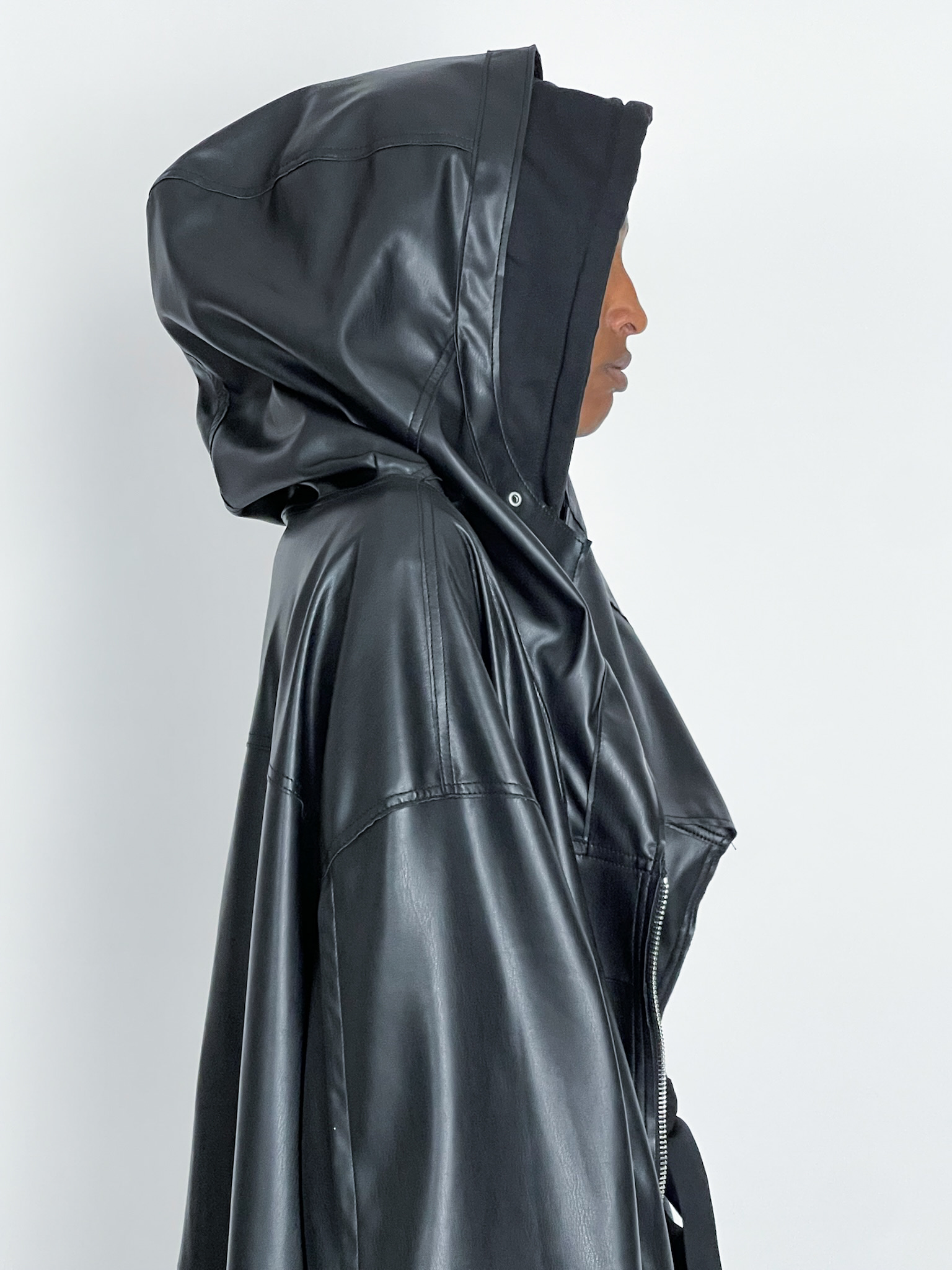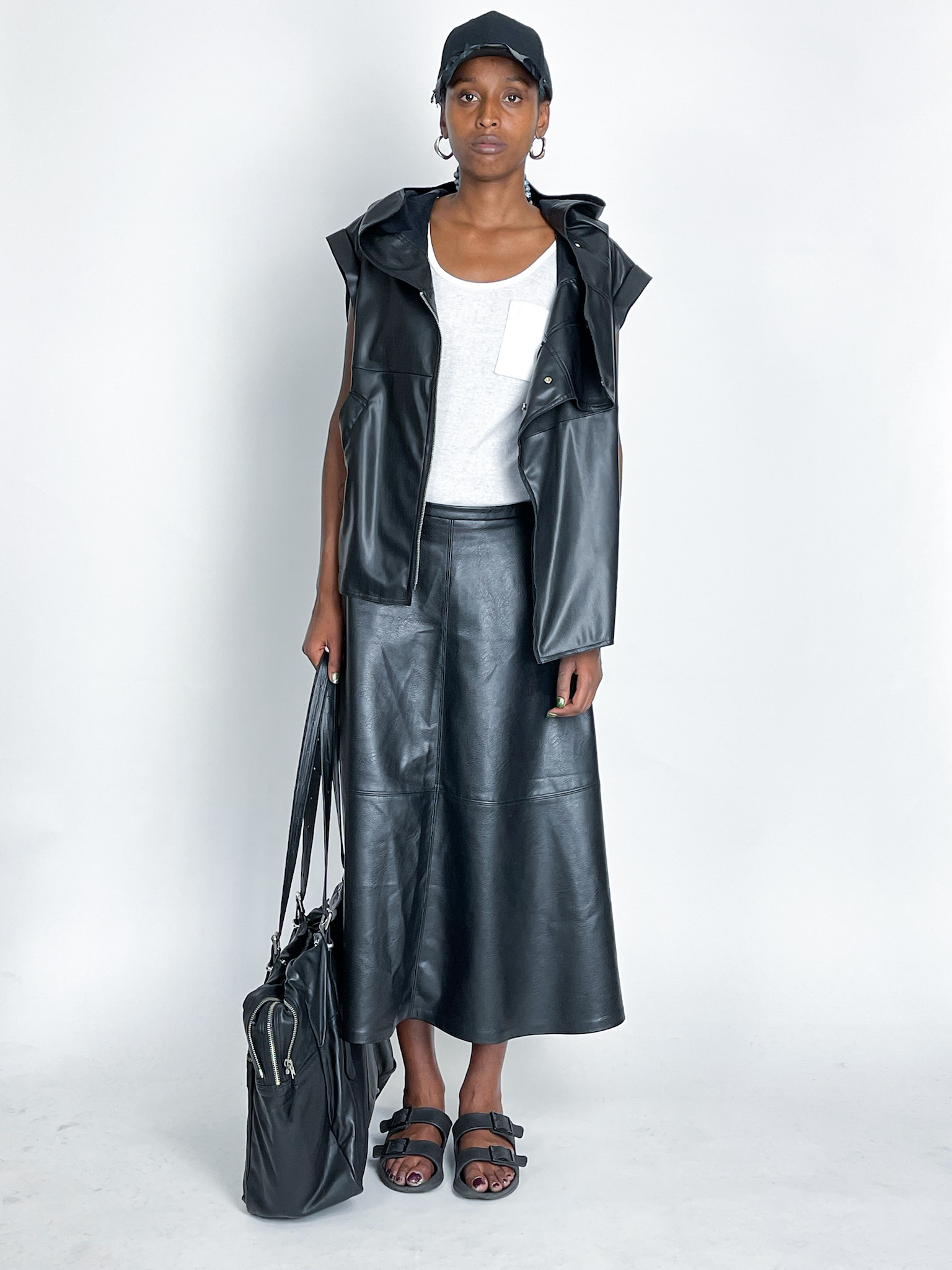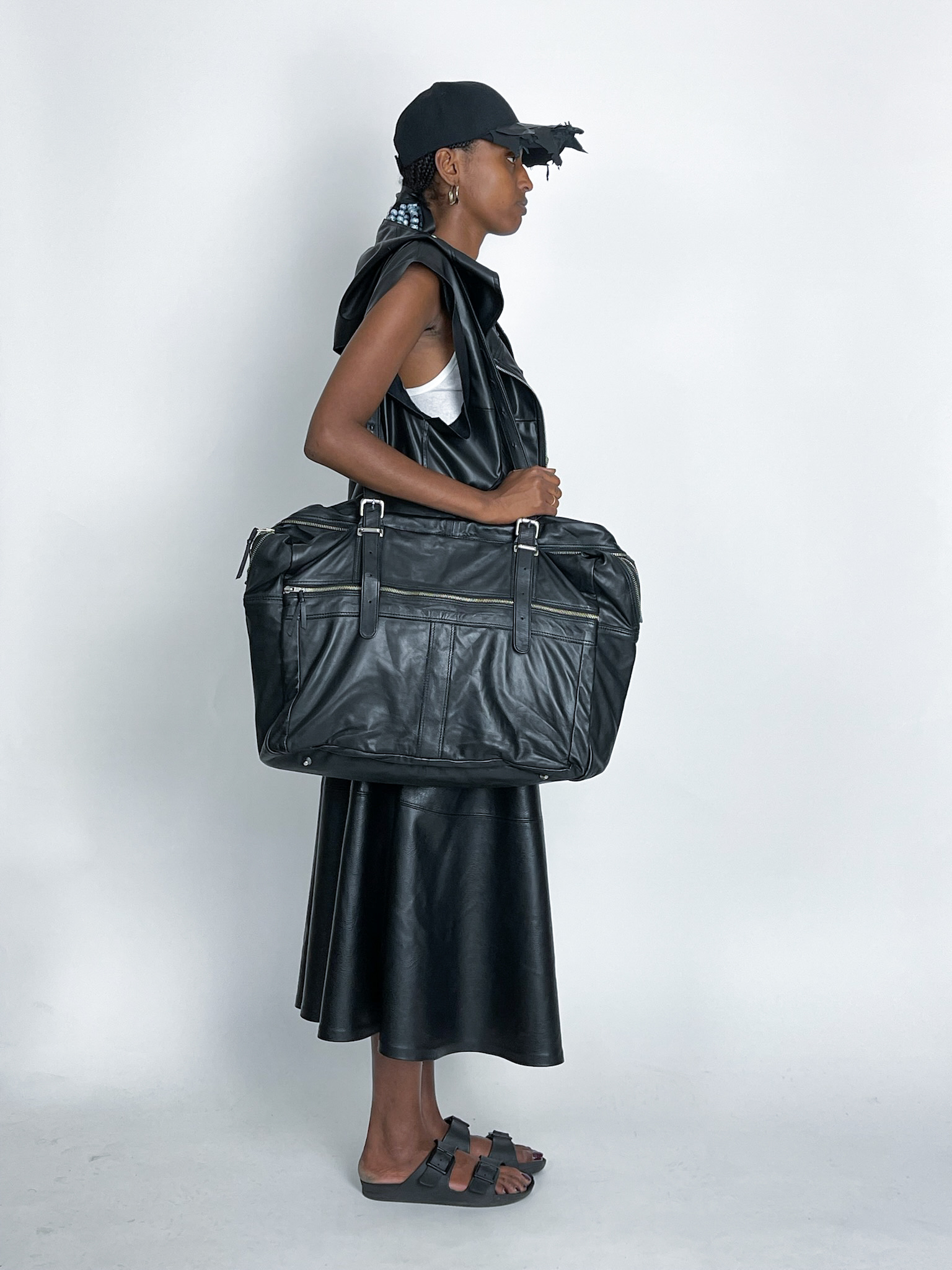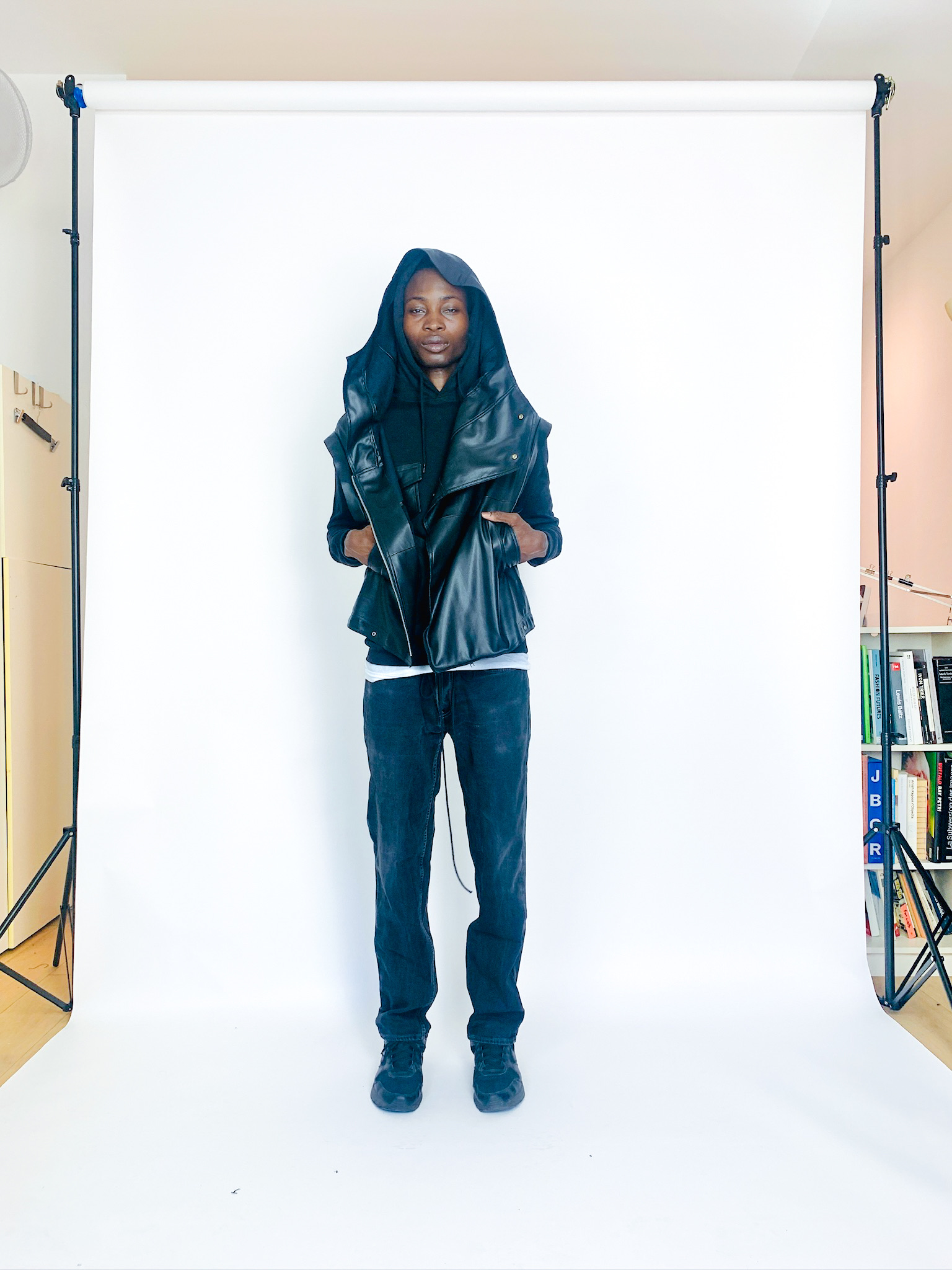
RE/JEKT PROJECT is a contemporary fashion brand built on a direct question.What if strong design and responsible production were accessible rather than exclusive?What if waste became the starting point, not the outcome? Founded by Danish designer Jens Laugesen and Indian manufacturer Hitesh Sachdev.
In an industry driven by excess, speed, and constant renewal, RE/JEKT PROJECT starts from a different question. What if strong design and responsible production were accessible rather than exclusive. What if waste became the starting point, not the outcome.
Founded by Danish designer Jens Laugesen and Indian manufacturer Hitesh Sachdev, RE/JEKT PROJECT brings Nordic design thinking together with Indian leather craftsmanship to build a more intelligent fashion system. The collaboration grew out of shared frustration with how the fashion industry operates, and a desire to create garments that are both conceptually rigorous and materially responsible.
For Laugesen, the project marks a shift in how design should circulate.
“After decades working in the industry, both with my own brand and in collaboration with labels such as Calvin Klein, J Mendel, and Swarovski, I’ve been frustrated by how high-end design rarely reaches a broader audience,” he explains. “With RE/JEKT PROJECT, we want to make design accessible without diluting the concept or compromising quality. Design should be inclusive and worn, not exclusive and protected.”
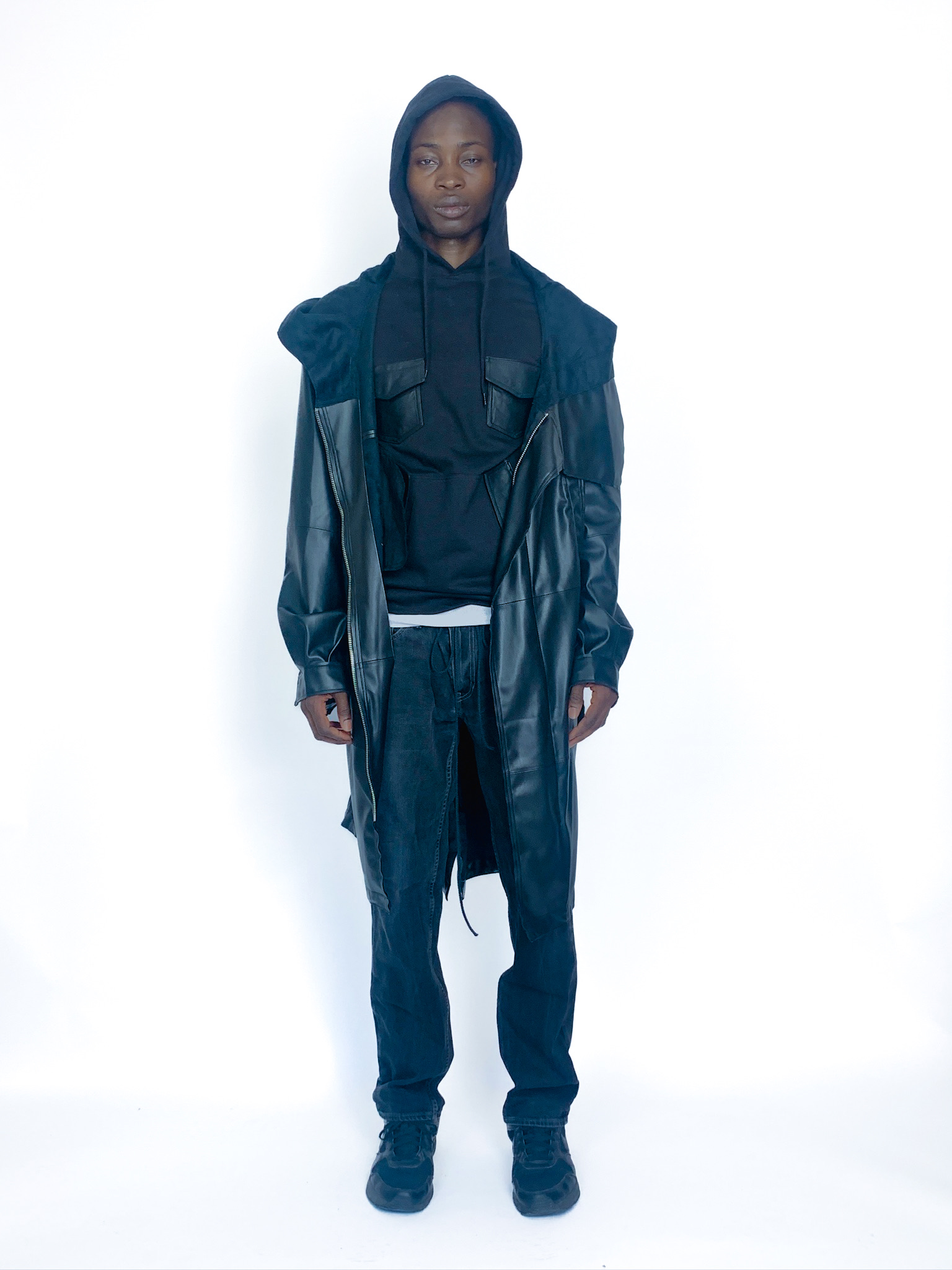
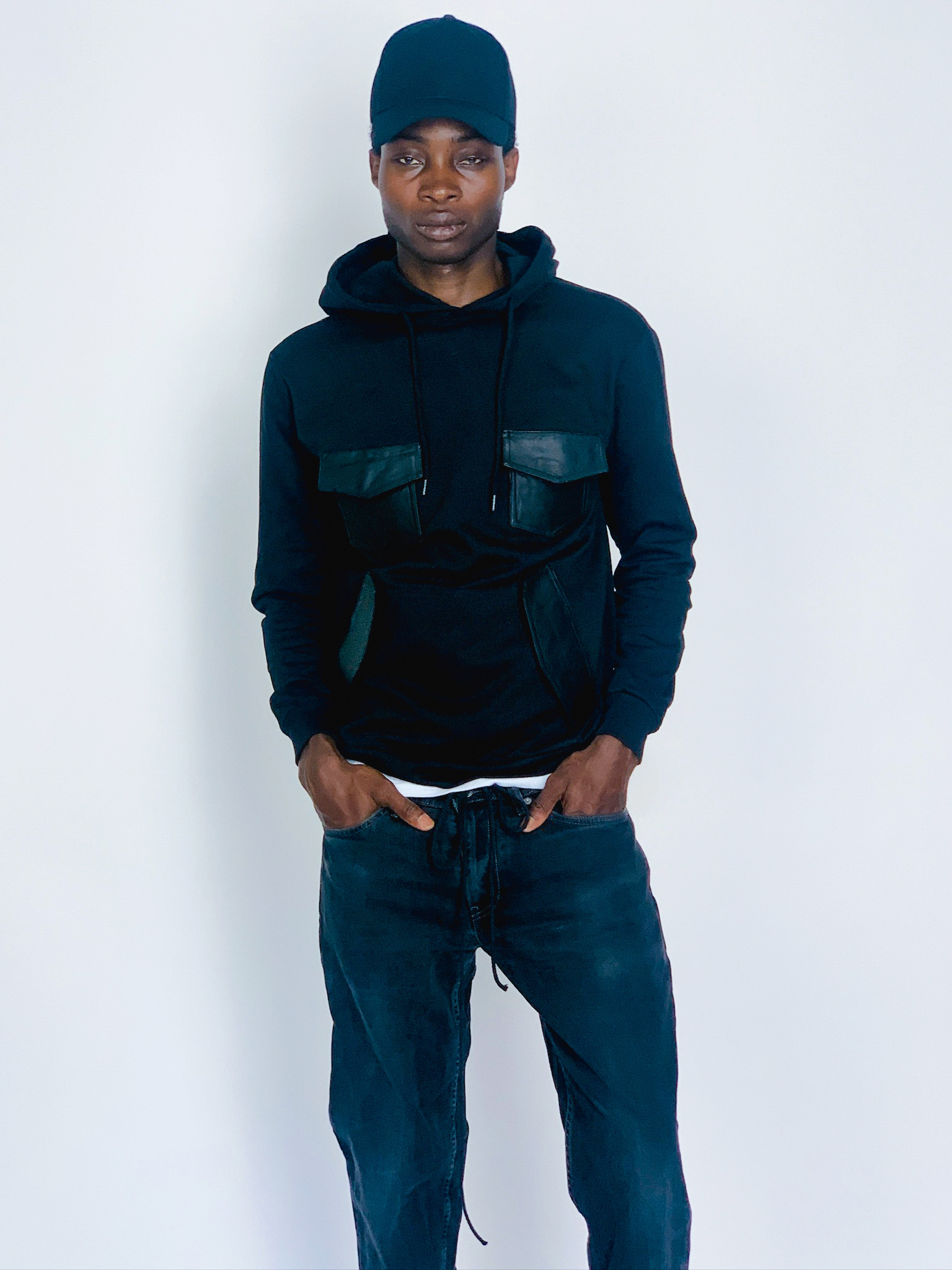
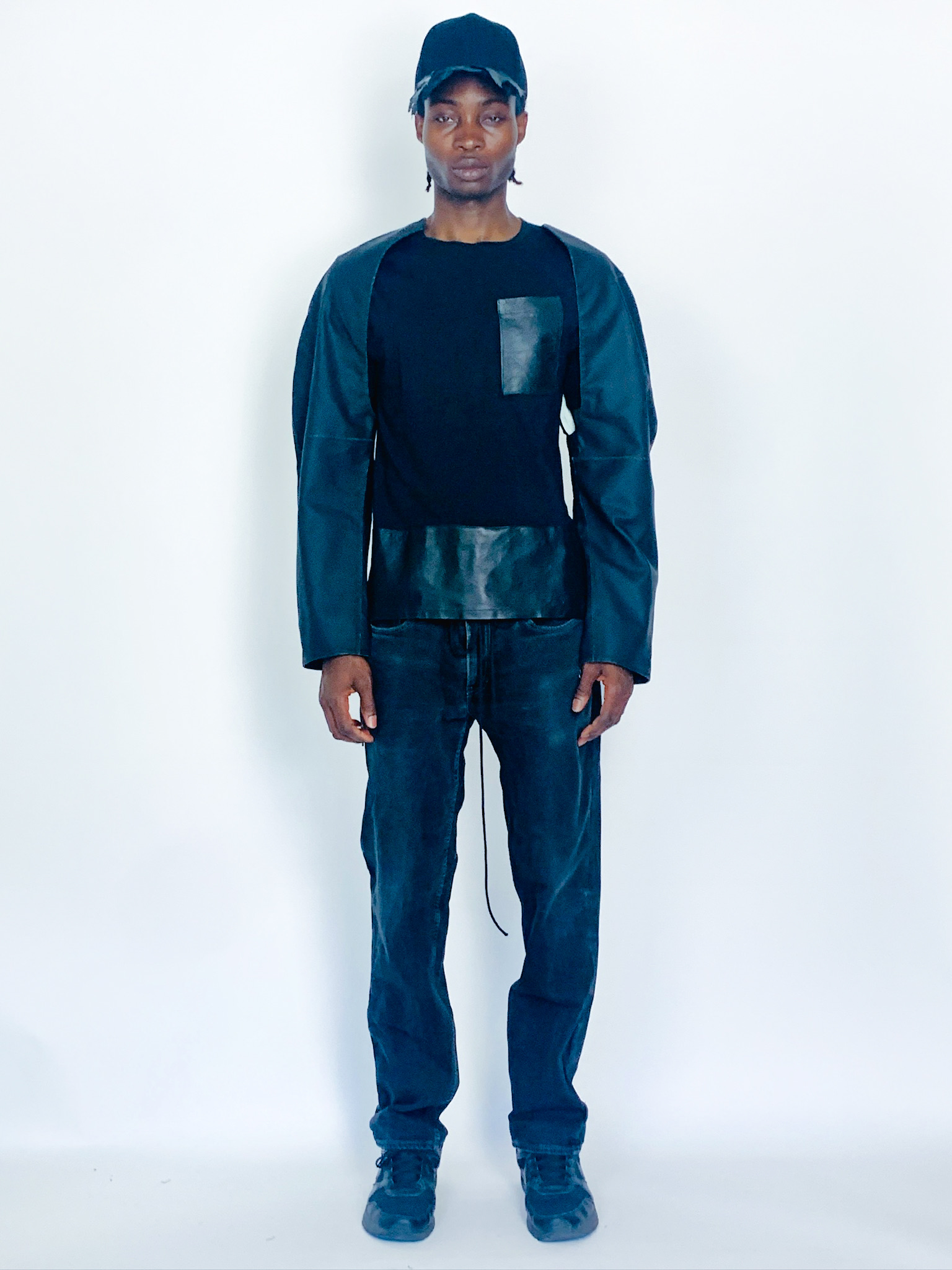
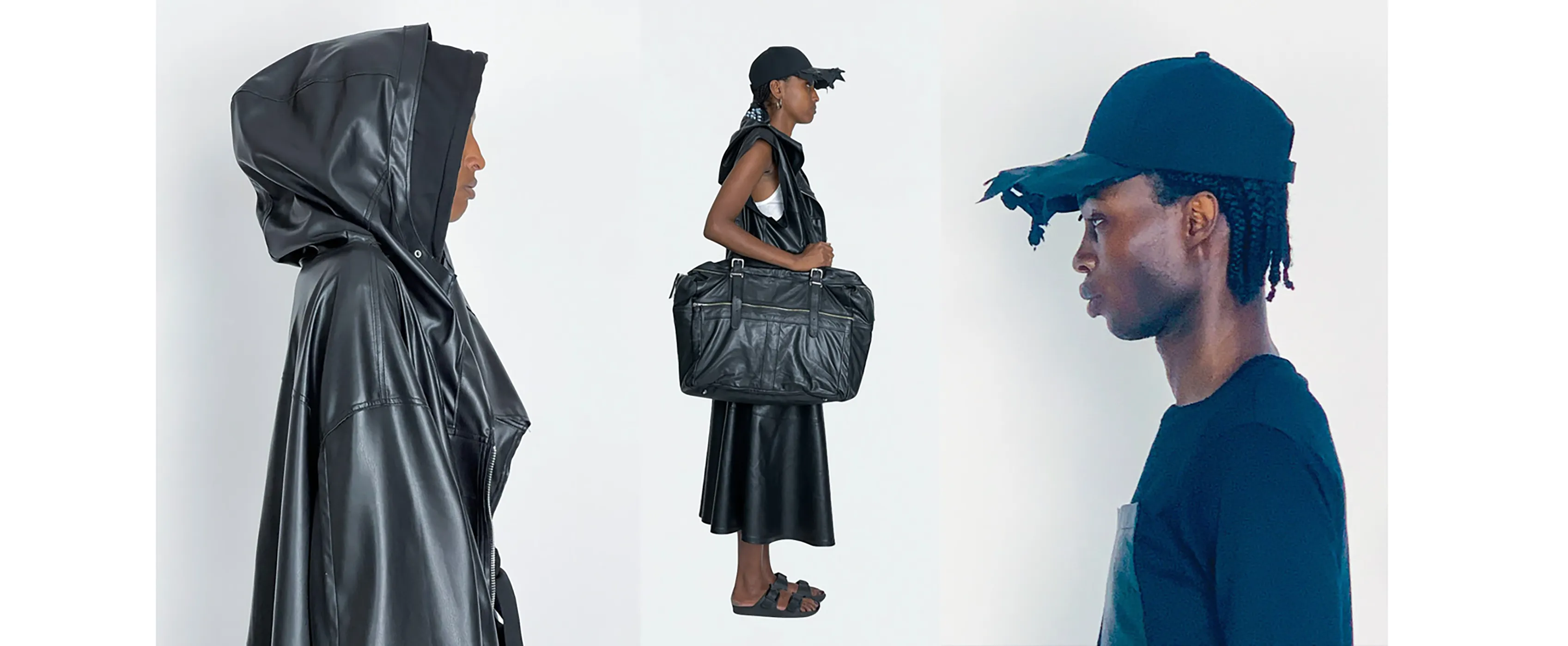
Rather than treating sustainability as an aesthetic or an afterthought, RE/JEKT PROJECT is structured as a practical design model. Deadstock leather defines the process, with design adapting to material availability rather than forcing new production. Hybrid design thinking, garment architecture, and hand-made craft replace seasonal trends. The result is a refined, functional wardrobe designed for real use and long life, translating Jens Laugesen’s hybrid design DNA into a commercial brand that fuses concept with quality to transform waste into value-driven clothing at a democratic price point.
The design language draws from Nordic principles of clarity, reduction, and utility. Silhouettes are considered wearable, designed to move across cultures, genders, and ages. A unisex UNIFIT FOR ALL sizing system, aligned with familiar international standards, supports accessibility without flattening identity. The aim is not to erase differences, but to remove unnecessary barriers built into how fashion is produced and worn.
At the core of the project is material responsibility. As Managing Partner of Drishti Lifestyle, a second-generation leather manufacturer supplying international luxury and high-street brands, Hitesh Sachdev has long seen how large volumes of high-quality leather are left unused each season.
“Every season, large volumes of high-quality leather are left unused due to overproduction or minor specification changes,” he says. “The material isn’t wasted in terms of quality, but it is excluded from the system. “
Sustainability here is operational, not symbolic. By working exclusively with existing materials and producing in limited runs, the brand reduces overproduction at source. Designing for durability and repair encourages long-term ownership. The goal is not more fashion, but better fashion.
The name RE/JEKT PROJECT reflects this position. It speaks to rejection and reconstruction, to interruption and recombination. Materials rejected by the system are reintroduced with a purpose. The slash signals a break in process, while “Projekt”, spelt with a Danish K, references both Jens Laugesen’s love for concept and Scandinavian design culture and reinforces the idea of an evolving, process-driven approach rather than a fixed outcome.
The debut collection focuses on familiar archetypes. Leather outerwear, utilitarian garments, jackets, accessories, and easy-to-wear signature pieces form a coherent wardrobe rather than a seasonal statement. Products are delivered directly from factory to store and customer, reducing traditional mark-ups without compromising construction or material quality.
RE/JEKT PROJECT launches in collaboration with CIFF through an immersive exhibition format that merges fashion, art, and spatial design. The brand will occupy a 90 m² stand positioned at the main entrance of the fair, directly opposite the highly anticipated 10 Corso Como installation. The placement reflects the project’s intention to operate between fashion, design, and cultural exchange rather than within a conventional trade format.
The installation continues an ongoing art collaboration with artist Erica Trotzig, featuring XXL garment sculptures by Jens Laugesen alongside Trotzig’s signature reclaimed wood ladder and staircase structures. The space will present early prototypes and include stage design elements developed in collaboration with Charlotte Calbert, integrating deadstock leather into the spatial environment. The installation also marks a first collaboration with FOGIA, whose sculptural BOLO chairs form part of the composition. Known for its commitment to Scandinavian craftsmanship and material integrity, FOGIA’s presence reinforces the dialogue between furniture, fashion, and long-term design thinking.
The project will also launch a creative film during Copenhagen Fashion Week, featuring Indian models wearing the garments inside the factory where they were crafted. The film will premiere on a new community-focused storytelling platform developed in collaboration with the Delhi-based XEYE DESIGN agency, extending the project beyond product into shared narrative and process.
Alongside the exhibition, RE/JEKT PROJECT will host a Nordic Indian Happy Hour activation for invited buyers, press, and collaborators. As part of this moment, a VIP photo competition will be led by fashion photographer Jean Francois Carly, offering guests the opportunity to engage directly with the collection and the space. The initiative reflects the brand’s interest in participation over spectacle, creating a social encounter rooted in craft, image-making, and community rather than traditional brand staging at the CIFF fair.
CIFF CEO Sofie Dolva positions the project as timely within the broader industry context.
“RE/JEKT PROJECT represents the kind of thinking the industry needs,” she notes. “It is not driven by trends or surface-level sustainability claims, but by a clear system where design and material responsibility are directly linked. The honesty of the model makes it a relevant voice in today’s fashion landscape and a strong fit for CIFF’s platform.”
Ultimately, RE/JEKT PROJECT is a movement that proposes a different system for fashion. Clearer. More responsible. More durable. One that reconnects design, material, and use. Turning industry waste into quality garments, one piece at a time.